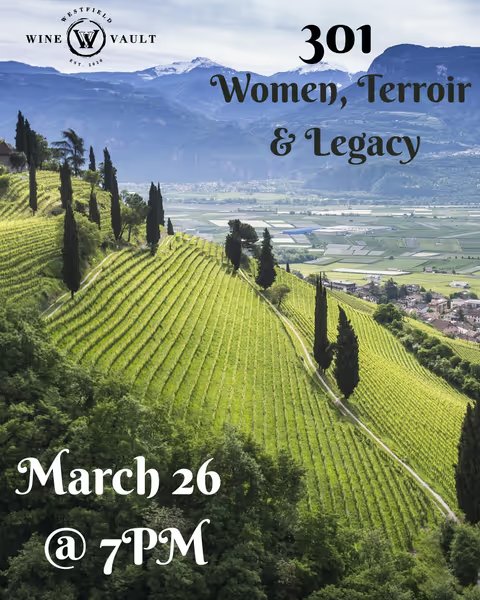
301 – Women, Terroir & Legacy
301 - Women, Terroir & Legacy

301 - Women, Terroir & Legacy

Book Club
No Registration Required
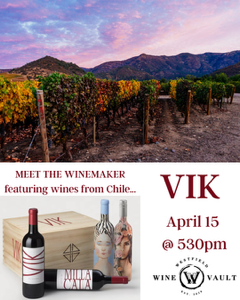
It’s Tax Day… so obviously we’re drinking wine about it 🍷😉
🇨🇱 5:30 PM — VIK Wines (Chile)
🍷 7:00 PM — John Bookwalter (Washington)
Do one… or stay for both and make a night of it ✨
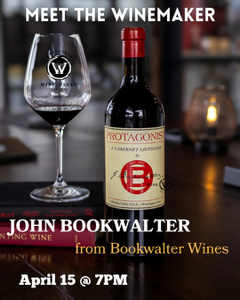
We’re excited to welcome John Bookwalter of Bookwalter Wines in Washington for a special Meet the Winemaker event—joining us live via Zoom.
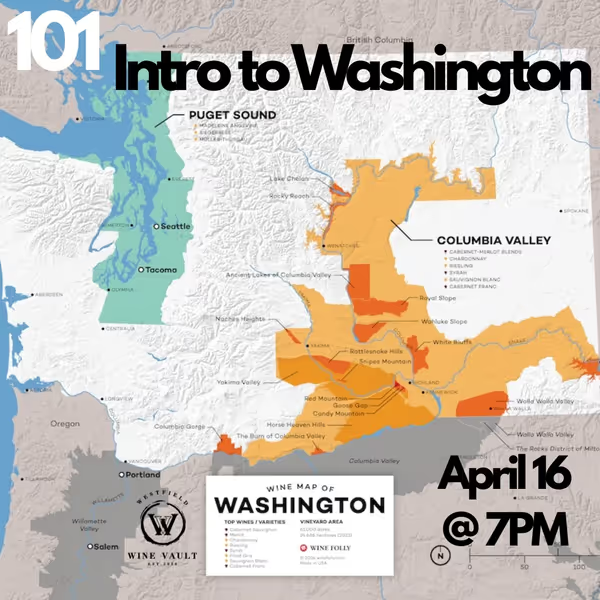
Intro to Washington Wine is a welcoming, no-pressure introduction to what makes Washington State such a standout wine producer. We’ll break down the basics — climate, geography, and grapes — in a way that makes Washington wine easier to recognize, order, and enjoy.
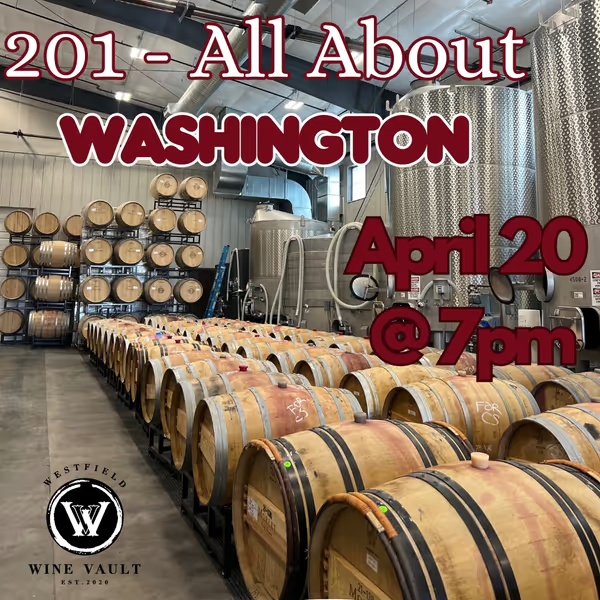
Washington is one of the most dynamic wine regions in the country — and also one of the most misunderstood. At the 201 level, it’s time to move beyond generalizations and explore how Washington wine actually works.
Join us for a special Meet the Winemaker experience with Peter Urian of The Walls Winery (Walla Walla, Washington)—joining us live via Zoom.
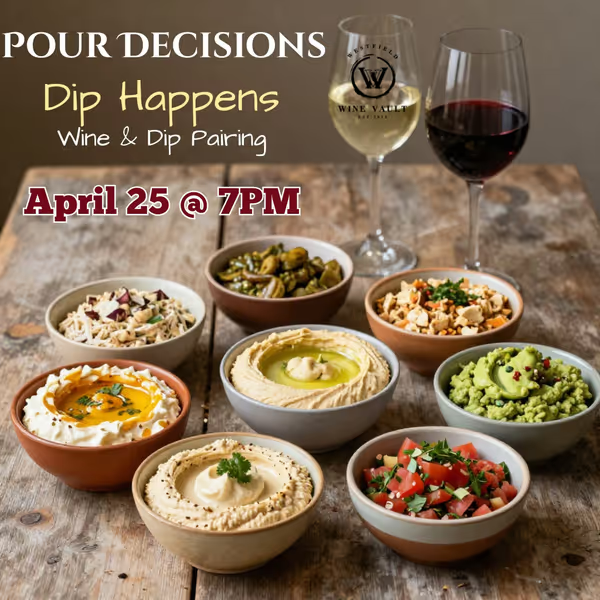
We’re taking wine out of the “rules” zone and into real life—pairing it with dips you actually want to eat. Think creamy, salty, herby, maybe even a little spicy… and wines that either play nice or completely steal the show.

Join us for a special Meet the Winemaker experience with Jesús Mora of Valdemar Estates (Walla Walla, Washington)—joining us live via Zoom.
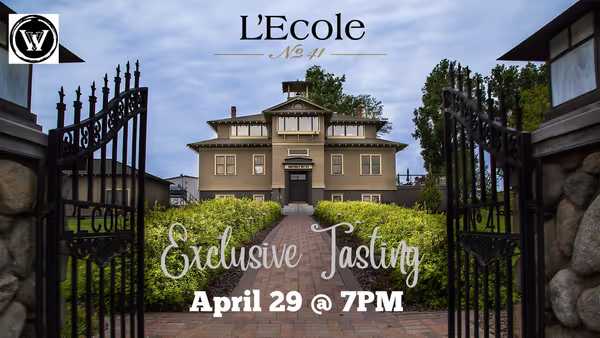
This 301-level class is a deep dive into why Walla Walla works, and why its wines feel both powerful and distinctly refined. We’ll explore how elevation, wind, soil diversity, and proximity to the Blue Mountains shape structure and freshness, and why Walla Walla consistently produces wines with intensity and balance.
We’ve planned something a little different… and slightly dangerous.